Bullying can affect a student's health, grades and sense of safety for years. The good news is that schools have many practical tools to prevent it and to respond quickly when it happens. This guide outlines clear steps that teachers, administrators and families can take together to stop bullying early and create a safer, kinder school.
Define bullying clearly
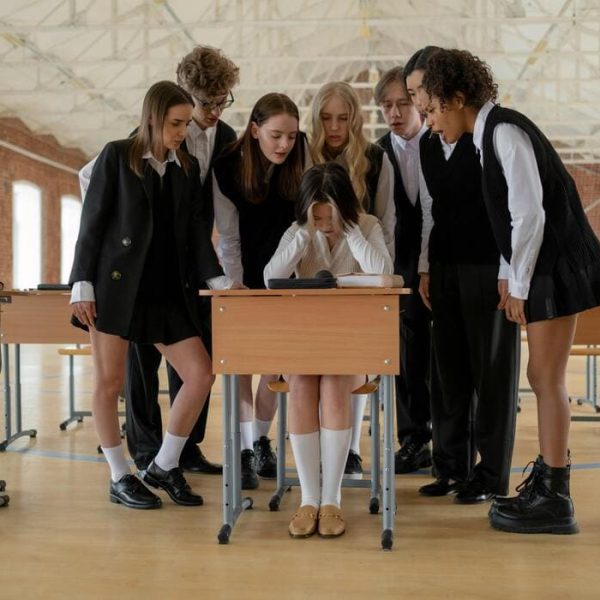
Bullying is repeated, intentional behavior that hurts someone who has difficulty defending themselves. It can be physical, verbal, social or online. When a school defines these forms in plain language, students and staff know what to report and what the consequences are.
Create a culture of respect
Rules on paper are not enough. Staff members set the tone by treating students with respect and by addressing unkind remarks at once. Posters, assemblies and classroom discussions reinforce the message that everyone belongs and that harm to others will not be ignored.
Make reporting easy and safe
Many students stay silent because they fear retaliation. Offer several ways to report, such as a trusted teacher, a counselor, a paper box or an anonymous online form. Students speak up when they believe an adult will act and protect them.
Train staff to notice signs
Changes in mood, falling grades, missing belongings or sudden reluctance to attend school can all be warning signs. Short training sessions help teachers, bus drivers and cafeteria staff recognize patterns and respond calmly. Early attention often prevents a situation from escalating.
Respond consistently
When an incident is reported, document it, speak with everyone involved and contact parents. Apply consequences fairly and focus on changing behavior, not just punishing it. Follow up in the following weeks to check that the target is safe and that the behavior has stopped.
Support students from other countries
Newcomers who are still learning the language can become easy targets. Schools that welcome families from many places benefit from clear communication in their home languages. Reliable Russian translation services help staff explain policies and reports to Russian-speaking parents accurately.
Smooth the path for new enrollments
Transferring students bring records from abroad, and delays can leave them feeling isolated. This guide to transcript translation explains how documents are prepared so that new classmates can be placed quickly.
Address cyberbullying
Harassment now follows students home through phones and social media. Teach digital citizenship, encourage screenshots as evidence and explain how to block and report accounts. Parents should know the school's online conduct rules and where to seek help.
Involve parents as partners
Share your anti-bullying policy in a clear, friendly format and invite questions. Hold evening sessions where parents learn the signs and discuss how to talk with children. A united approach between home and school increases the chance that a problem is solved quickly.
Build peer support
Student ambassadors, buddy programs and clubs give young people a way to look out for each other. Training peers to include others and to speak up safely turns bystanders into allies. Many schools find that peer leadership changes the mood of an entire grade.
Use trusted resources
The U.S. government site StopBullying.gov offers definitions, prevention tips and guidance for educators and families. It is a helpful reference for creating or updating a school policy.
Support the target
Students who have been bullied need reassurance, not blame. Offer access to counseling, adjust seating or schedules if needed and keep communication open. Remind them that the problem is the behavior of others, and celebrate their strengths to rebuild confidence.
Help the student who bullies
Children who bully often struggle with their own problems, such as anger, insecurity or trouble at home. Combine clear consequences with support, like counseling and social skills coaching. Changing the pattern protects other students and helps the child as well.
Look at school spaces
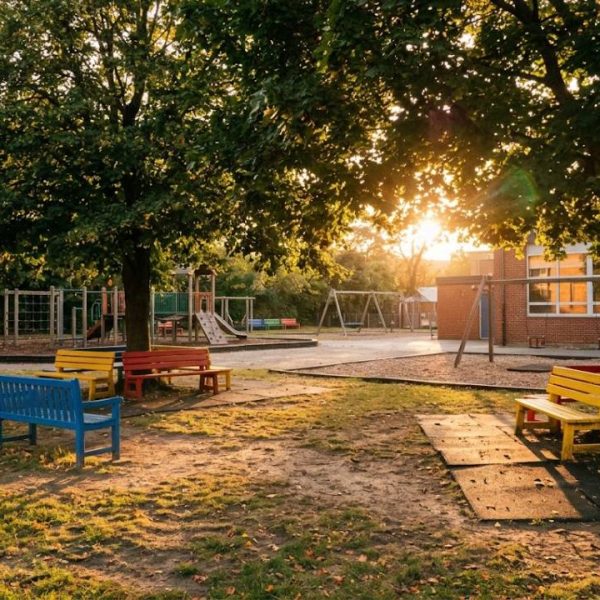
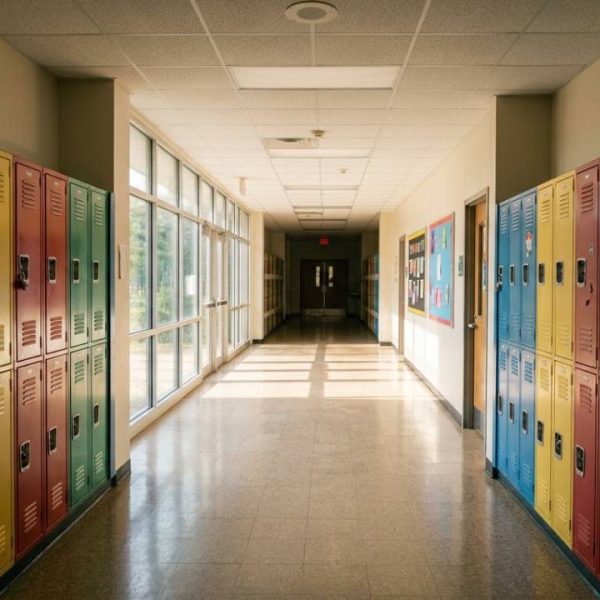
Bullying often happens in places with less supervision, such as buses, locker rooms and playgrounds. Map these locations with students and adjust staffing or routines. Small changes, like adding adult presence at transition times, can reduce incidents noticeably.
Teach empathy and emotional skills
Lessons on feelings, conflict resolution and perspective-taking give students tools to handle disagreements without harming others. Role play and stories make these skills memorable. Over time, empathy becomes part of daily classroom life.
Review the data
Collect anonymous surveys and incident records each term. Look for trends by grade, place and type of behavior. Sharing results with staff and students shows that the school takes the issue seriously and helps focus effort where it is most needed.
Keep going
Reducing bullying is not a single campaign but a steady habit. With clear rules, supportive adults and open communication, schools can create places where every student feels safe. Choose one step to take this month and build from there.
Plan for transitions
Moving to a new school or grade is a high-risk moment. Offer orientation days, pair new students with mentors and share maps and schedules in several languages. Smooth transitions lower anxiety and reduce opportunities for exclusion.
Celebrate positive behavior
Recognize students who show kindness, include others or speak up. Positive attention often changes school culture faster than punishment alone. Share stories in newsletters and assemblies so that good examples become the norm.
Work with the community
Local organizations, police liaison officers and youth groups can support school efforts. Invite them to speak with students and to join planning meetings. A wider circle of care helps students feel protected beyond the school gate.
Support teachers too
Educators who handle difficult incidents need time, training and backup from leadership. Provide a clear reporting path and regular check-ins. Staff who feel supported respond more calmly and consistently, which benefits every student.