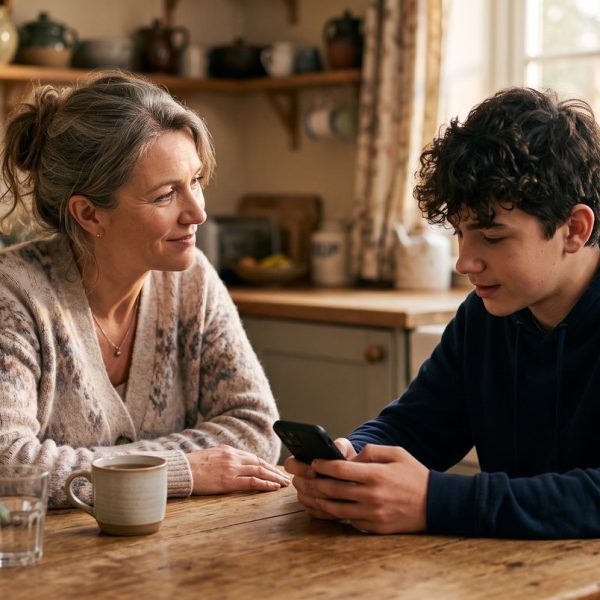
Bullying did not disappear when it moved online. It followed children home, into their bedrooms and onto the screens they check last thing at night. Cyberbullying is harassment carried out through phones, messaging apps and social media, and because it can reach a child at any hour, the effects of cyberbullying often run deeper than the playground version ever did. For parents, teachers and anyone who cares for young people, learning to recognise it early is the first real step toward stopping it.
What cyberbullying actually looks like
It rarely announces itself. Cyberbullying can mean cruel comments and public humiliation, but it also hides in quieter forms: exclusion from group chats, the sharing of private messages or photos, impersonation through fake accounts, and the steady drip of anonymous messages. The different types of cyberbullying share one thing in common, which is that they use an audience. A single unkind message stings, but the knowledge that dozens of classmates saw it is what makes the harm stick. Understanding that range helps adults take seriously behaviour that can look minor from the outside.
The effects of cyberbullying on young people
The consequences reach well beyond hurt feelings. Children who are targeted online report higher rates of anxiety, low mood and trouble sleeping, and many begin to withdraw from friends and activities they once enjoyed. Schoolwork often suffers, because it is hard to concentrate or study effectively when your phone feels like a source of threat rather than connection. In the most serious cases the effects of cyberbullying include lasting damage to self-esteem and mental health, which is why professionals treat it as a safeguarding issue and not simply as part of growing up. The harm is real even when there are no visible bruises.
Signs of bullying that adults can watch for
Children often hide what is happening, either from shame or from a fear that adults will overreact and take their devices away. That makes the quiet signs of bullying worth knowing. Watch for a child who becomes withdrawn or anxious after using their phone, who suddenly avoids school or particular friends, whose grades slip, or who seems secretive and jumpy about notifications. Changes in sleep, appetite or mood can all point to something wrong. None of these on its own proves anything, but a cluster of them is a reason to gently open a conversation rather than to wait and see.
How to help without making it worse
The instinct to seize the phone and demand names is understandable, but it often backfires, teaching the child that speaking up costs them their independence. A calmer approach works better. Listen first and take the child seriously, make clear that the bullying is not their fault, and save the evidence with screenshots before blocking the accounts involved. Report the behaviour to the platform and, where a school is involved, to teachers who can act. Trusted resources such as the guidance at StopBullying.gov set out these steps in more detail. Knowing how to deal with cyberbullying calmly also gives the child a model for handling conflict that will serve them long after this particular episode ends.
Why language and community matter
Schools rarely tackle this alone, and families are part of every solution. That becomes harder when parents do not share the school's main language, since safeguarding letters and reporting tools written only in English can leave whole families in the dark. Reaching parents in their own language is not a nicety but a safeguarding necessity, because a warning a family cannot read is a warning that never arrives. Communities that build trust across languages tend to catch problems earlier and support children better.
Online harassment has effects that persist because the brain processes social threat much as it processes physical threat. The distinction adults often draw between online and real is not one the nervous system makes. Work in neuroscience has been fairly clear on that point for some time.
Prevention starts before the first message
The best protection is built quietly, long before anything goes wrong. Children who grow up talking openly about their online lives are far more likely to speak up when something turns nasty, so the goal is an ongoing conversation rather than a single stern lecture. Agree on simple habits together, such as keeping private accounts private, thinking before forwarding a hurtful post, and treating the block button as a normal tool rather than a last resort. Teachers can reinforce the same message in class, making clear that bystanders who report cruelty are helping rather than telling tales. When kindness online is treated as an expectation and not an afterthought, the ground that cyberbullying needs to take root simply gets smaller.
Cyberbullying thrives on silence and on the sense that nothing can be done. Both of those crumble the moment a child realises an adult is genuinely listening. You do not need to be a technology expert to help. You need to notice the change, believe the child, and walk with them through the practical steps of documenting, reporting and recovering. Handled that way, even a frightening experience can become the moment a young person learns they are not facing the screen alone.